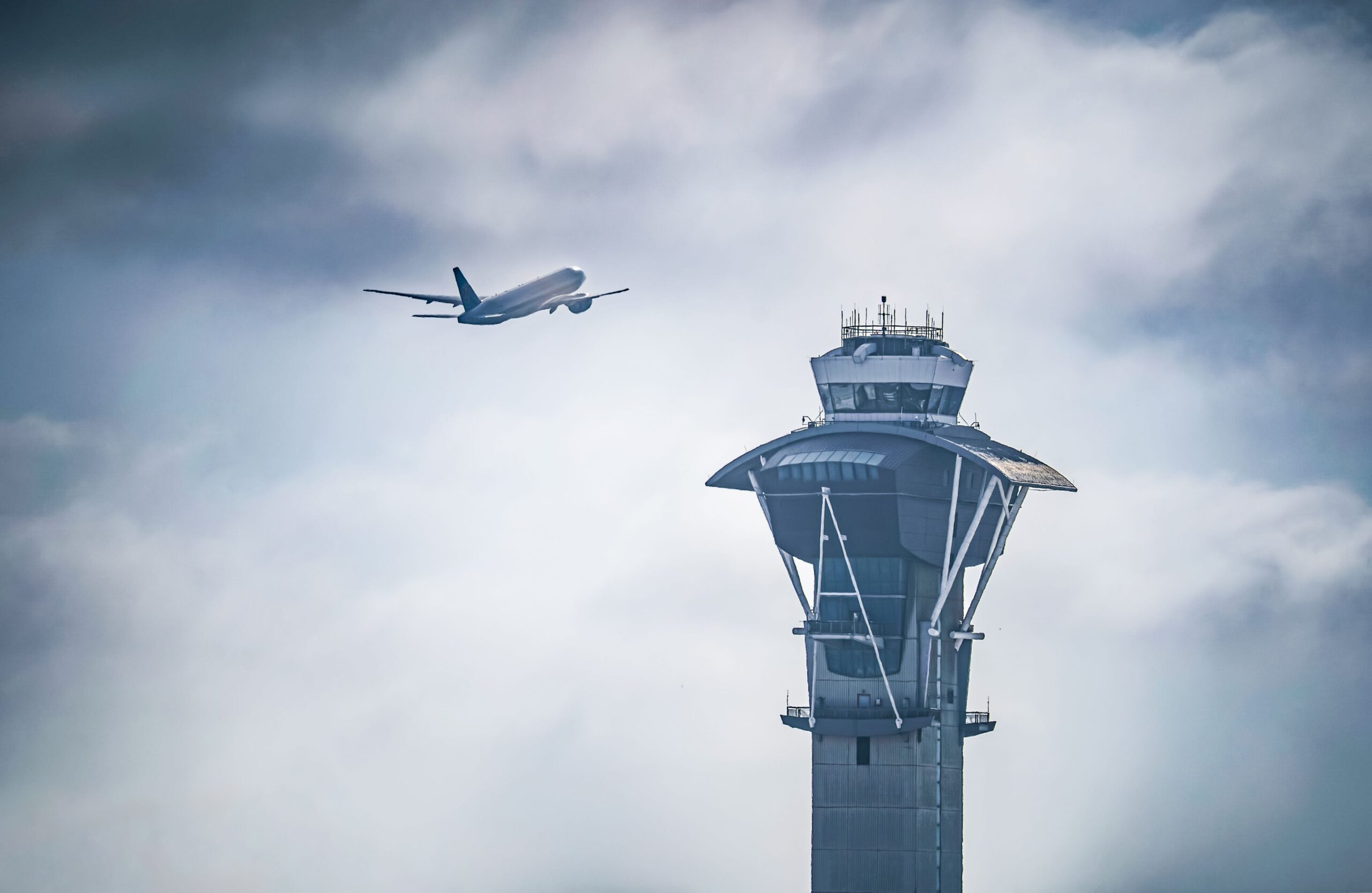
U.S. flights began resuming Friday night after the Federal Aviation Administration lifted a nationwide ground stop imposed over air traffic control communications problems. The restriction ended at about 8:15 p.m. Eastern on November 13, allowing airlines to restart departures after hours of disruption, according to The Atlanta Journal-Constitution.
The FAA said it tested its systems before clearing flights to resume, confirming their stability and operational reliability. Its statement, reproduced by WSB-TV, confirmed that some departures were restarting.
For travelers waiting to leave, the announcement reopened the possibility of flying that night. Airlines still needed to confirm which services they could operate and arrange alternatives for passengers whose flights had been canceled.
Delta and United restart flights
Delta confirmed at 9 p.m. Eastern on Friday that departures had started again. The airline said it was resuming operations while working to reposition aircraft and crews.
One documented departure was a flight from Atlanta’s Hartsfield-Jackson airport to Charleston, South Carolina, at about 9:23 p.m. Eastern. The Atlanta Journal-Constitution reported the takeoff using Flightradar24 data.
United also announced that it was restarting operations, including some Friday-night flights, according to its statement reproduced by the Houston Chronicle. The newspaper reported that departures resumed at both George Bush Intercontinental and Hobby airports.
These updates confirm that flights were moving again. They do not establish that every canceled service was reinstated or that every airline had restored its full schedule.
For someone holding a ticket, the next useful update is the status of that particular reservation. A departure restarting at the same airport may involve a different aircraft, crew and destination.
What allowed the FAA ground stop to end?
The FAA’s initial statement said communications issues were affecting multiple Air Route Traffic Control Centers. The agency imposed the nationwide restriction while technicians investigated.
A ground stop keeps affected aircraft from departing. Under the FAA’s operating procedures, it can be used when a facility is unable to provide all or part of its air traffic control services. It does not, by itself, mean airport terminals have closed.
The agency’s subsequent confirmation that it had tested the systems was the stated basis for allowing departures again. Its reopening announcement addressed operational readiness; it was not a final investigative report explaining every step that caused the outage.
Saturday schedules still show the effects
The restart was continuing against a backlog of disrupted journeys. At Atlanta, WSB-TV reported 399 cancellations and 98 delays as of 7 a.m. Eastern on Saturday, citing FlightAware. Those numbers describe that airport at that time, rather than a final national total.
Delta’s explanation points to one reason schedules cannot immediately recover: aircraft and crews need to be in the right places for upcoming flights. Restoring permission to depart cannot move an aircraft that missed its previous journey.
Recovery was also varying between airlines. Singapore Airlines told The Straits Times its operational issues were resolved and other flights were unaffected.
That variation matters when interpreting the news. Flights resuming is a verified development. A complete return to normal across the U.S. airline network has not been established by the updates reviewed for this article.
What passengers should check as flights resume
The FAA directs passengers to their airline for flight-specific delay information. Before heading to the airport:
- Open your current reservation. Check the flight date, departure time and airport, particularly if you received a rebooking notification.
- Review the connection as well as the first flight. Confirm that the updated itinerary still gets you to your destination in time.
- Read the applicable travel waiver before changing plans. Check the eligible dates, rebooking deadline and any fare-difference conditions.
Delta says it automatically rebooks customers when a flight is canceled. Its outage waiver covers eligible travel on November 13–14, with a November 21 deadline both to change the flight and to begin the replacement journey under its advertised fare-difference waiver. Ticket issuance, cabin, availability and routing conditions apply.
Passengers whose plans no longer work should also check the refund option. Under U.S. Department of Transportation rules, a canceled flight qualifies for a ticket refund, regardless of the cause, if the passenger declines to travel and declines alternatives such as vouchers. Significant delays or itinerary changes can also qualify. Taking the delayed or replacement flight generally removes that ticket-refund entitlement.
Departures are moving again. Before you head to the airport, confirm your booking is among them.